 Nursing Home Law Group Home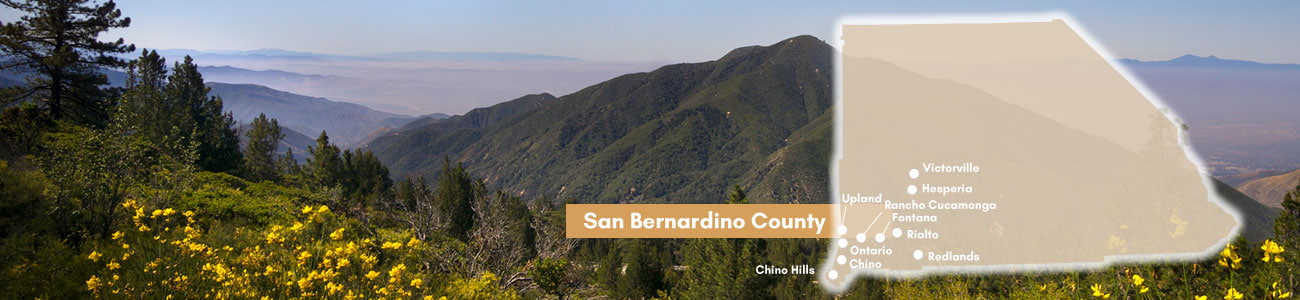
Suspect Neglect or Abuse?
Know the Signs. Know Your Rights.
A fall from a mechanical lift can change a family’s life in seconds. Randy Walton and Nursing Home Law Group have spent more than 25 years representing individuals and families victimized by neglect and abuse in nursing homes and assisted living communities, and we take cases throughout Southern California, including San Bernardino County. If your loved one was hurt during a transfer, our San Bernardino County Hoyer Lift injury lawyers can help you find out why. We represent families in San Bernardino, Ontario, Fontana, Victorville, Rancho Cucamonga, Redlands, and across the county.
A Very Large County, Three Civil CourthousesSan Bernardino County is the largest county in the contiguous United States by area, and its Superior Court spreads civil work across three courthouses: the San Bernardino Justice Center at 247 W. Third Street, the Rancho Cucamonga Courthouse at 8303 Haven Avenue, and the Victorville Courthouse at 14455 Civic Drive.
In December 2023, the court began moving select civil matters from San Bernardino to the Rancho Cucamonga and Victorville courthouses.
In plain English: negligence versus neglect. Negligence means failing to use reasonable care. “Neglect” under California’s Elder Abuse and Dependent Adult Civil Protection Act (Welfare and Institutions Code § 15600 et seq.) means failing to give a resident the care they need. In the most serious cases, the law provides remedies that an ordinary negligence claim does not. Whether a case qualifies depends on the facts.
Common Ways Transfers Go WrongA Hoyer lift is a sling-and-hoist device used for residents who cannot bear their own weight. Used correctly, it protects residents and staff. The danger comes from misuse, poor maintenance, and understaffing. Residents are also hurt in manual lifts and in moves between bed, chair, toilet, and shower. Watch for:
Injuries include falls and drops, fractures, shoulder and hip dislocations, head injuries, and skin tears. For frail residents, they can lead to complications, including death.
San Bernardino County by the NumbersSan Bernardino County has nearly 300 licensed assisted living communities (residential care facilities for the elderly, or RCFEs) in more than 30 cities, based on 2026 data compiled from state licensing records. The largest concentrations are in places like Loma Linda, Rancho Cucamonga, Redlands, Upland, and Fontana, while the High Desert has its own growing set of homes.
My Family Lives Far From the Facility. Does That Change Anything?It does not change your rights. Because the county is so large, we handle records requests, agency reports, and court filings for you and keep you updated by phone or email.
How We Handle Lift Injury CasesOur San Bernardino County Hoyer Lift injury lawyers start by asking why the injury happened. Was the unit understaffed? Was the aide trained on that lift and sling? Was the equipment inspected? Was the care plan followed? We gather the care plan, transfer assessment, incident reports, staffing schedules, training files, and maintenance logs. We also review admission paperwork for arbitration agreements and identify everyone who may share responsibility, including, where appropriate, equipment manufacturers or maintenance contractors.
Case ExampleImagine a 77-year-old man in a High Desert skilled nursing facility. A certified nursing assistant, working alone, pulls him up in bed by his arms, and his shoulder dislocates. Staff wait several hours before sending him to the emergency room, and the facility tells his daughter, who lives two hours away, that it was “a bad day.”
We would request the records, report the incident to the right agency, and determine which courthouse would hear the case. If his health required it, we would ask for trial preference under Code of Civil Procedure § 36, which generally requires a trial date within 120 days once granted.
Local Resources in San Bernardino CountyYes. Time limits apply, and they vary with the claim and the facts. Speak with an attorney as soon as you can. A San Bernardino County patient lift injury lawyer can tell you which deadlines apply.
Talk With San Bernardino County Hoyer Lift Injury LawyersYou should not have to carry this alone. For more than 25 years, Randy Walton and Nursing Home Law Group have stood up for residents and families harmed by neglect and abuse in nursing homes and assisted living communities. Call our San Bernardino County Hoyer lift injury lawyers at Nursing Home Law Group, (866) 607-1325.
FAQAsk what happened, who performed the transfer, and whether one or two staff members were involved. Ask for the incident report and the resident’s care plan. Write down the answers you receive and the date you received them.
It can, depending on the facts. California law covers neglect, which includes failing to provide the care a resident needs. An attorney can evaluate whether your situation fits.
That is common. Medical records, staff notes, photographs, and equipment records can help show what occurred. And, of course, the injuries will often speak for themselves.
The regulators and the licensing rules differ between nursing homes and assisted living. Residents have legal protections in both, but whatever the facility, residents can bring legal action for injuries caused during transfers using a lift.
As soon as possible. Time limits apply, and early action helps protect important evidence.


Visit Our Personal Injury Website
 Your Privacy Choices Cookie Policy Manage Cookies
This site is protected by reCAPTCHA.
Please do not include any confidential or sensitive information in a contact form, text message, or voicemail. The contact form sends information by non-encrypted email, which is not secure. Submitting a contact form, sending a text message, making a phone call, or leaving a voicemail does not create an attorney-client relationship.